What Makes FX Trading Feel Difficult at First
Many people approach the financial markets with enthusiasm. They watch educational videos, read trading articles, and spend time exploring different strategies. The excitement of entering a new field can make the learning process feel enjoyable and full of possibility.
Then reality arrives.
After a few weeks or months, many beginners discover that FX trading feels far more difficult than they originally expected.
This experience is incredibly common. It does not mean someone lacks ability or potential. More often, it reflects the fact that trading involves a combination of skills that take time to develop together.
There Is So Much Information
One of the biggest challenges for new traders is deciding what information actually matters.
There are charts, indicators, economic reports, news headlines, technical analysis techniques, and countless opinions from other traders.
At first, everything appears important.
Many beginners jump between different strategies, hoping to find a perfect approach. As a result, they often absorb large amounts of information without having a clear structure for using it.
This can create confusion rather than confidence.
With experience, traders usually become more selective. They learn to focus on information that supports their decision-making instead of trying to follow every available source.
Markets Rarely Behave Perfectly
Another reason FX trading feels difficult is that markets do not always move in neat, predictable patterns.
A chart setup may look ideal one day and fail completely the next. News events can alter sentiment quickly. Unexpected developments can create sudden volatility.
For beginners, this unpredictability can be frustrating.
Many enter the market expecting clear cause-and-effect relationships. Instead, they encounter an environment where probabilities matter more than certainty.
Accepting uncertainty is often one of the hardest adjustments new traders face.
Emotions Become Part of the Process
Reading about trading psychology is very different from experiencing it.
A trader may understand the importance of discipline in theory, but emotions can become much stronger once real money is involved.
Fear of losing, excitement about potential profits, frustration after mistakes, and impatience during quiet market conditions can all influence decisions.
These emotional responses are normal.
The challenge is learning how to recognise them without allowing them to dictate trading behaviour.
For many traders, managing emotions becomes just as important as understanding charts and market analysis.
Progress Often Feels Slow
In many activities, improvement is easy to measure.
A person learning a language can notice a growing vocabulary. Someone learning a musical instrument can hear improvements in their performance.
Trading can feel different.
There are periods where progress is happening beneath the surface even when results do not immediately reflect it. A trader may be improving their analysis, risk management, or discipline while still experiencing inconsistent outcomes.
This can make the learning journey feel slower than expected.
Patience becomes essential during these stages.
Experience Creates Confidence
One of the most encouraging aspects of trading is that many challenges become easier with exposure.
Market terminology becomes familiar. Platform navigation becomes routine. Emotional reactions often become more manageable. Decision-making gradually becomes more structured.
The things that once felt overwhelming begin to feel normal.
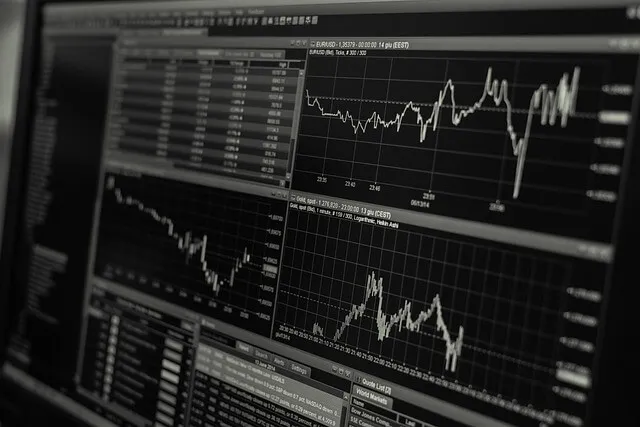
Image Source: Pixabay
This transformation does not happen overnight, but it does happen for traders who remain committed to learning and improving.
The Difficulty Is Part of the Journey
The reason FX trading feels difficult at first is not because it is impossible to learn. It is because it combines analysis, psychology, risk management, and decision-making into a single activity.
Each skill takes time to develop.
The traders who eventually become comfortable in the market are not necessarily those who learn the fastest. Often, they are the ones who accept that progress is gradual and continue building experience one step at a time.
In the end, the early difficulties of FX trading are often less a sign of weakness and more a natural part of learning something that rewards patience, discipline, and continuous improvement.

Comments