Top Risk Management Rules for Leveraged Positions
Leverage gives traders access to larger market positions without committing the full value of the trade upfront. Used carefully, it can improve capital efficiency. Used carelessly, it can magnify losses faster than many beginners expect.
That is why managing risk matters even more than finding the perfect entry. In leverage trading, a well-planned position with controlled exposure is often more effective than an excellent market idea backed by excessive leverage. The difference becomes obvious when markets move unexpectedly.
Successful traders think about survival before potential returns.
1. Decide Your Maximum Loss Before Entering
Many traders calculate how much they hope to make.
Experienced traders usually begin with the opposite question.
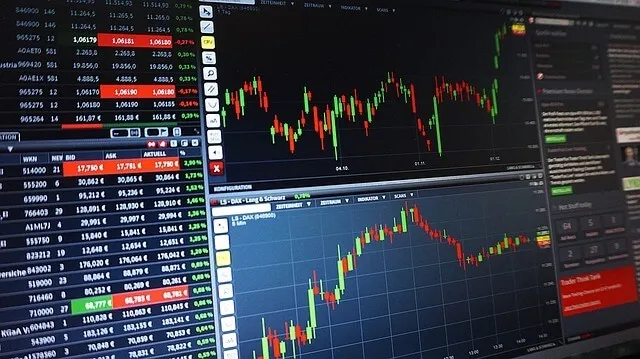
Image Source: Pixabay
Before opening any position, determine the maximum amount you are prepared to lose if the stop-loss is reached. This decision should be based on your overall account size rather than confidence in the trade itself.
Imagine a trader buying EUR/USD ahead of a European Central Bank announcement. The technical setup looks promising, but unexpected comments during the press conference trigger a sharp reversal. Because the position size was calculated around a predefined risk limit, the loss remains manageable instead of becoming account-changing.
The analysis was not perfect.
The risk management was.
2. Reduce Position Size During Volatile Markets
Many traders believe bigger price swings justify larger positions because profit potential appears greater.
The opposite is often more effective.
Higher volatility increases uncertainty, making even accurate market analysis harder to execute. Reducing position size during these periods helps keep potential losses consistent despite wider price movements.
This approach may feel overly cautious.
It often preserves capital for better opportunities later.
3. Think in Total Exposure, Not Individual Trades
A single position rarely tells the whole story.
Several trades may unintentionally create concentrated exposure to the same underlying market movement.
For example, holding long positions in EUR/USD, GBP/USD, and gold may appear diversified. In reality, all three positions can be influenced by significant changes in the U.S. dollar.
Managing portfolio exposure is often more important than evaluating trades individually.
4. Never Move a Stop-Loss to Avoid Taking a Loss
A stop-loss represents a decision made before emotions enter the trade.
Changing it after the market moves against you often replaces planning with hope.
One of the most surprising habits among experienced traders is how rarely they widen stop-loss orders. If the original trade idea is no longer valid, accepting the loss is usually less damaging than increasing the amount at risk.
Small planned losses are part of trading.
Large unplanned losses are usually avoidable.
5. Review Risk Before Every Session
Risk management is not something completed once.
It should become part of every trading routine.
Before opening new positions, ask yourself:
- How much total account risk is currently exposed?
- Are multiple trades dependent on the same market movement?
- Could scheduled economic events increase volatility today?
- Does the position size still match current market conditions?
These questions help maintain consistency even as markets evolve. They also encourage decisions based on preparation rather than confidence alone.
One counterintuitive lesson is that professional traders often spend more time managing existing risk than searching for new opportunities. Protecting capital creates flexibility, allowing traders to participate when higher-quality setups eventually appear.
The practical takeaway is straightforward. Treat leverage trading as a tool that requires disciplined risk management rather than aggressive position sizing. When every trade begins with a clearly defined exit, appropriate exposure, and awareness of overall portfolio risk, short-term market fluctuations become much easier to manage.