What Happens When the Sound Is Just Right
People don’t always notice good sound. They notice the lack of it. A meeting room with echoes, a store where music clashes with voices, or a museum where narration fades in and out these moments stay with them. But when everything sounds right, the space changes. It feels calm, clear, and focused. Even busy areas gain a sense of order.
Sound shapes how people move, feel, and think. It helps them decide when to stay or leave, when to speak or stay silent. Yet in many places, the setup still misses the mark. Sound gets trapped in corners or lost in high ceilings. Some spots ring loudly, others drop into silence. These flaws don’t scream for attention. They whisper discomfort.
That’s where spacial audio solutions come in. These systems don’t treat sound as a single wave to throw across a room. They shape it, layer it, and place it where it matters. In retail, this means background music that sits behind conversation, never over it. In galleries, it means stories follow the visitor, not the hallway. In offices, it means every person hears the same message at the same time.
The strength of these tools comes from balance. Spacial audio solutions do more than play sound evenly. They guide it through the air like paths on a map. This lets designers match audio to purpose. A gym might want energy near machines but peace near the exit. A showroom might want to highlight one product while softening others. Each choice leads to better focus, better flow.
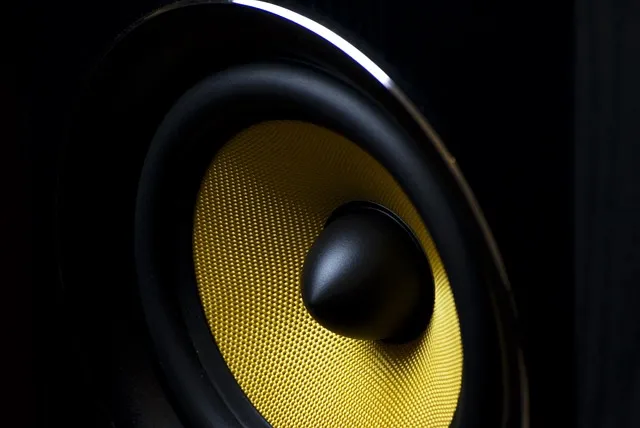
Image Source: Pixabay
Small details make a large difference. A café might seem quiet, but customers still feel pulled toward the counter. That may happen because the menu audio comes from above while music fades at the edges. Visitors don’t think about it. They just follow it. These effects work best when no one notices them at all.
Rooms change across the day. Morning light shifts. Foot traffic builds. Voices rise. Without a flexible system, sound grows messy. But with spacial audio solutions, adjustments happen fast. Staff can raise or lower zones, switch messages, or adjust tones without hassle. The system listens to the room and adjusts in return.
Old setups often rely on basic speakers, placed where they fit. The result feels uneven. One area shouts while another hides. But newer systems treat sound like lighting. They point it, dim it, or colour it to suit the mood. And that’s when things start to click.
When sound is right, people stay longer. They relax. They listen more closely and speak more clearly. Teams work better, clients open up, and guests remember their visit. None of this happens through volume. It happens through design.
One smart system can do the work of many, if it’s placed with care. But planning matters. Someone needs to walk the space, test the corners, and feel how voices behave. A carpet absorbs. A window reflects. These parts shift how sound behaves. Without testing, even the best gear struggles.
Spacial audio solutions respond to these differences. They let teams shape sound to fit the space, not fight against it. In public spaces, this can calm crowds. In learning spaces, it can sharpen focus. Each case brings its own need.
The best sound doesn’t stand out. It disappears into the setting. Visitors may not speak of it, but they feel it. And that feeling shapes memory.
So when the sound is just right, something else becomes possible. A room becomes more than walls and furniture. It turns into a place where people want to stay, speak, listen, and return. That’s the quiet power behind every great space.